The Handbrake Is On. Why Is the Inbox Still Moving?
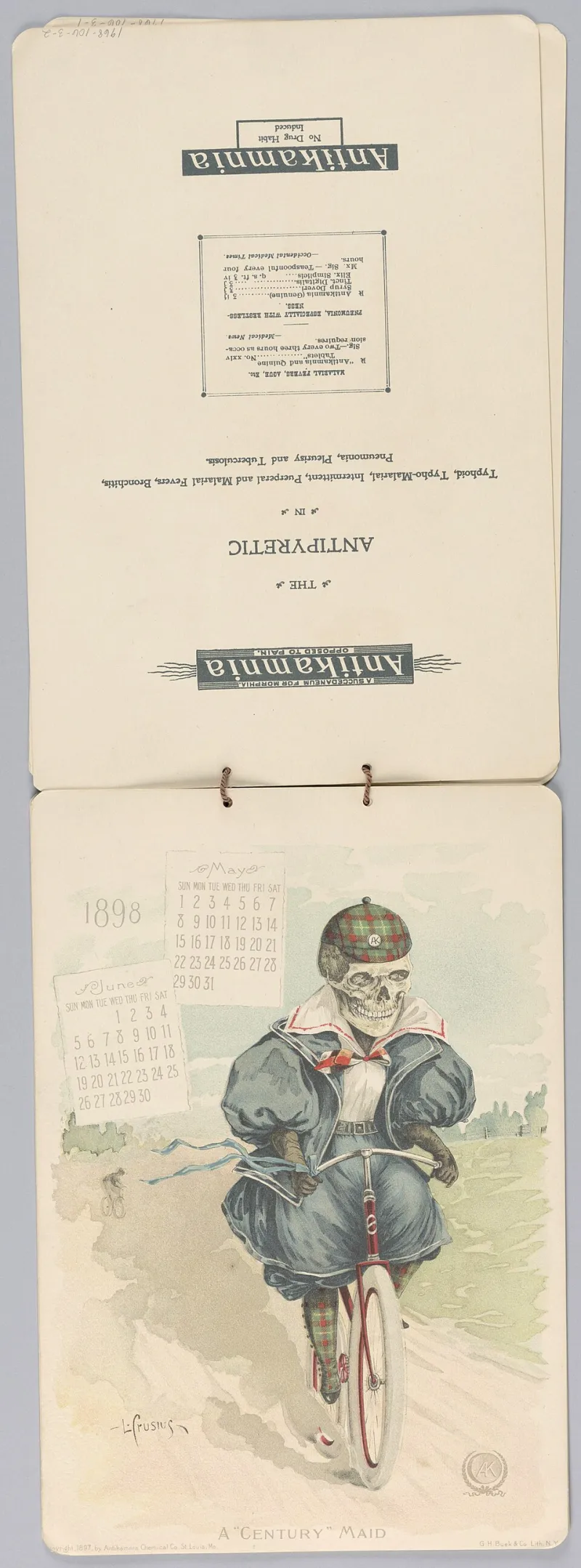
Photo: L Crusius, Public domain, via Wikimedia Commons
Every November, a familiar email lands. It says something like: 'To protect service stability, no changes will be deployed between 1 December and 5 January.' Fair enough. Except by the second week of December, someone has added a new inbox rule, a team has built a spreadsheet that already has three owners, and a workaround has been promoted to 'the process'. The freeze, in other words, is doing a great job of freezing the bits nobody was worried about.
As we head into December 2026, that pattern is worth naming. It isn't a failure of discipline. It's what happens when you put a handbrake on a system that humans still use every day. Work doesn't stop because the release calendar does.
A freeze is a promise, not a force field
Most festive change freezes are about big-bang risk: major migrations, new finance systems, anything that could page someone on Christmas Eve. Sensible. But organisations often communicate the freeze as if all change stops. It doesn't. People rename files, tweak automations, add approval steps, and invent local fixes because the work in front of them still needs doing.
The problem is visibility. A formal freeze plus informal mutation equals a January surprise. You come back to a 'stable' environment that has actually been quietly edited by twenty people with good intentions and no shared record.
Thin change: pause the big, log the small
The alternative isn't a free-for-all. It's a thin change protocol: a deliberately light set of rules for the small, human-scale changes that keep happening while the big stuff is paused. Three things make it work.
First, a named owner. Not a committee, not a change board alias. One person who can say yes, no, or 'document it and carry on' for the duration. They don't need to approve every typo fix. They need to be findable when a decision matters.
Second, a visible exceptions list. A single page, linked from the same place people found the freeze notice. It lists what is paused, what is allowed, and what has been excepted. Visible means no archaeology. If someone adds a workaround, it gets a line. If someone switches something off, it gets a line.
Third, a 10-minute January reset. Not a workshop. Not a retrospective deck. A short, scheduled slot where the owner and a couple of people walk the exceptions list, decide what stays, what goes, and what needs a proper owner in the new year. Ten minutes now saves the usual 'why is this spreadsheet emailing Finance?' investigation in February.
A triage template you can actually use
You don't need a platform to run this. A shared document and a bit of honesty will do. The point is to make three decisions for each candidate change: freeze it, document it, or switch it off.
| Change or workaround | Decision | Owner | Expiry / reset date | Notes |
|---|---|---|---|---|
| New inbox rule routing supplier invoices | Document | Priya | 8 Jan 2027 | Keep if Finance confirms; add to onboarding notes |
| Team spreadsheet replacing a broken report | Document | Tom | 8 Jan 2027 | Check data source; don't let it become permanent by accident |
| Experimental AI meeting-notes tool | Switch off | Priya | 11 Dec 2026 | Pilot paused; export notes and revoke access |
| Customer-facing pricing update | Freeze | Change board | 5 Jan 2027 | Unless legal or security issue |
| Slack workflow that pings on-call twice | Document | Sam | 8 Jan 2027 | Duplicate alert; review after festive cover |
The rows are examples, not rules. The discipline is in the columns: every small change has a decision, a person, and a date when someone will look again. That's it.
Don't confuse calm with control
A festive freeze should buy you calm, not an illusion of control. If the only thing you can say in January is 'nothing changed', you're probably not looking in the right places. The inbox rules moved. The spreadsheet grew. The workaround became load-bearing.
So this December, keep the big rollouts parked if that's what your risk appetite says. But don't pretend the small stuff stops. Name an owner, publish the exceptions, and book the reset. Thin change beats a thick freeze notice that everyone quietly routes around.
We're Flux8. We don't think flux is a flaw. We think unlogged flux is.